Service Insights for Orlando Air Conditioning Installation
Essential Benefits of Professional Air Conditioning Installation for Your Home
Professional air conditioning installation offers significant advantages that can greatly enhance a home's comfort and efficiency. Skilled technicians guarantee exact unit sizing and installation, which optimizes energy use. They also improve indoor air quality through correct duct sealing and air filtration. However, numerous homeowners ignore the risks of DIY installation. Understanding the full scope of professional benefits can result in well-informed choices that improve overall living conditions and potentially save money. What other factors should homeowners consider?
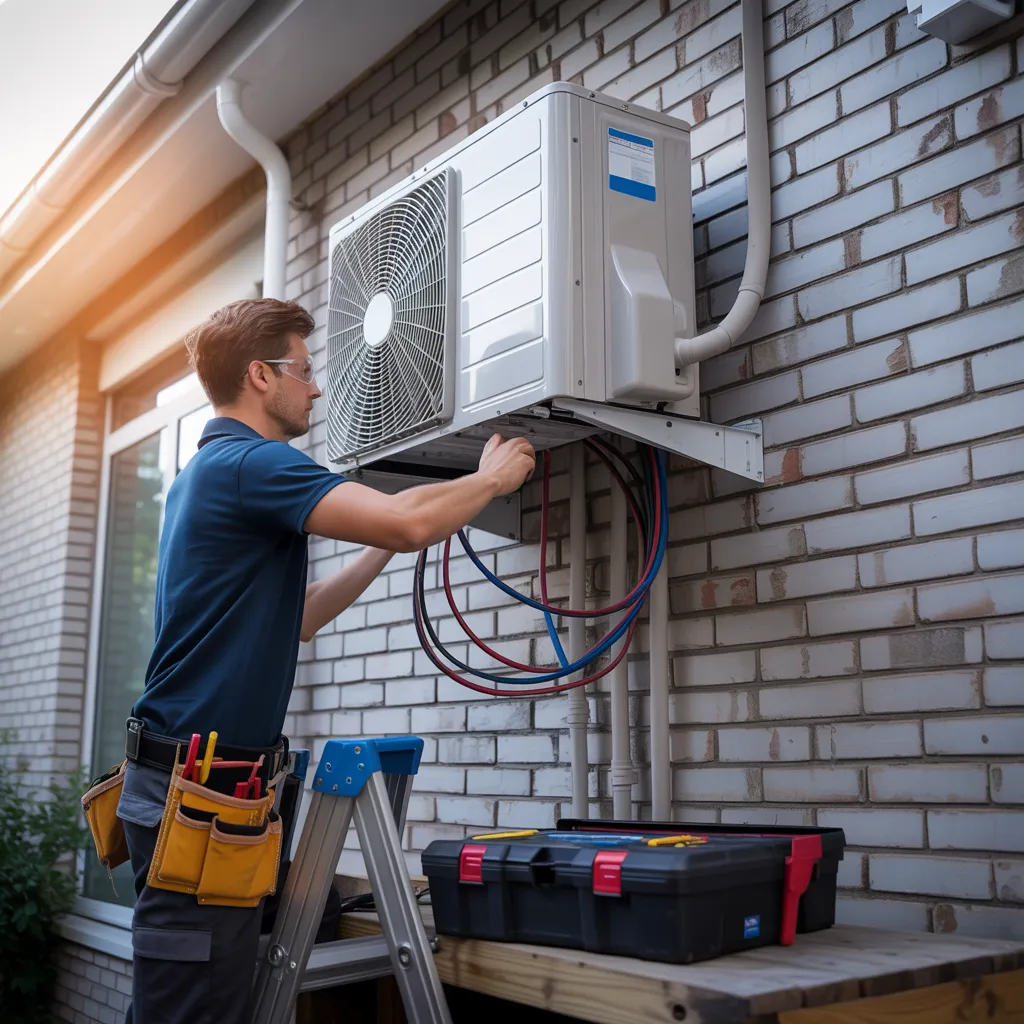
How Expert Installation Guarantees Maximum Efficiency
Professional installation of air conditioning systems is critical for attaining maximum performance. When correctly installed, these systems operate effectively, minimizing energy consumption and improving overall performance. Proper sizing of the unit is critical; a skilled technician verifies that the AC unit is the correct size for the space, preventing issues related to over-sizing or under-sizing.
Furthermore, expert installers excel at locating the unit to ensure optimal airflow and efficiency. They additionally confirm that every component, including ductwork and refrigerant lines, is properly positioned and sealed. This careful attention to detail lowers the likelihood of air leaks, that may contribute to energy inefficiency and rising utility bills.
Additionally, skilled specialists are well-versed in regional codes and compliance standards, guaranteeing regulatory compliance and safety standards. Ultimately, professional system installation not only improves system efficiency but also extends the lifespan of the air conditioning system, providing long-term benefits for property owners.
Why Professional AC Installation Is Important for Your Home's Comfort
Proficient AC installation substantially elevates a home's overall comfort level by ensuring the equipment operates at its best. Professional installation is vital for maximizing temperature control, permitting homeowners to sustain a stable climate throughout their living spaces. When set up by experts, cooling systems are configured to satisfy specific residential needs, which can notably reduce thermal inconsistencies.
In addition, certified experts appreciate the value of correct positioning, ensuring that airflow is enhanced and reducing inconsistent temperature areas. This thoughtful installation leads to a significantly improved indoor environment, permitting occupants to enjoy their environment without discomfort. Furthermore, skilled installation reduces the chance of operational problems that can contribute to breakdowns, ensuring a reliable cooling system. Ultimately, choosing expert air conditioning installation promotes an lasting level of comfort that improves the everyday living standard, ensuring that households remain comfortable and welcoming, even in the midst of the hottest months.
The Impact of Professional Installation on Indoor Air Quality
A correctly installed air conditioning system can greatly enhance the air quality indoors, creating a healthier living environment. Expert installation ensures that the system operates efficiently and effectively, optimizing airflow throughout the home. This effectiveness minimizes the collection of dust, allergens, and other contaminants, which can harmfully affect respiratory health.
Furthermore, a skilled professional will thoroughly fasten ducts and fittings, minimizing the chances of gaps that may allow external pollutants. They further confirm that filtration systems are correctly installed and maintained, which is instrumental in capturing dangerous particles.
Furthermore, trained specialists can give expert advice on humidity control configurations, which are vital for avoiding mold buildup and sustaining comfort levels. Ultimately, skilled installation not only optimizes the efficiency of the cooling system but also considerably supports enhanced indoor air quality, promoting a more pleasant and healthier living space for residents.
Popular DIY AC Installation Mistakes Worth Avoiding
A large number of homeowners undertake DIY air conditioning installation but commonly neglect critical factors. Incorrect sizing of the unit can lead to poor performance and reduced comfort, while improper ductwork installation can obstruct air circulation and lower overall effectiveness. Understanding these frequent errors is vital for ensuring the best possible cooling performance.
Incorrect Sizing of Unit
Picking the right capacity air conditioning unit is crucial for optimal performance and energy efficiency. An improperly sized unit can lead to multiple issues, such as insufficient cooling capacity or unnecessary energy waste. Oversized units may cool a space too quickly, causing repeated cycling on and off, which increases wear and tear. On the other hand, units that are too small struggle to maintain desired temperatures, resulting in increased energy costs and reduced comfort. DIY installations often miss critical factors, such as the dimensions of the area, insulation quality, and the local weather conditions. Professional installers conduct thorough assessments to identify the correct unit size, guaranteeing optimal performance and durability. In the end, selecting a properly sized air conditioning unit fosters a comfortable living environment while lowering energy expenses.
Poor Ductwork Connections
Inaccurate sizing of an air conditioning unit may cause a range of operational complications, but poor ductwork connections represent another common pitfall in DIY installations. Often overlooked, these connections can greatly impact system efficiency and indoor air quality. Loose or improperly sealed ducts may result in air leaks, causing cold air to escape and increasing energy costs. Furthermore, insufficient connections can result in uneven further information cooling across the home, producing uncomfortable living environments. Skilled installers have the knowledge to ensure that all ductwork is correctly connected and sealed. This attention to detail not only enhances system performance but also extends the lifespan of the air conditioning unit, making it a valuable investment for homeowners seeking reliable and efficient cooling solutions.
How to Find the Right Expert for AC Installation
What steps can one take to guarantee they hire the right specialist for air conditioning installation? The first step is to conduct thorough research on prospective contractors. Reading online reviews and seeking recommendations from friends or family can provide valuable insights into their reliability and quality of work. Next, verify their credentials, ensuring they are licensed and insured, which protects homeowners from liability issues.
Furthermore, acquiring various bids enables the ability to compare pricing and services, helping to identify appropriate costs. It is advisable to inquire about the process of installation and warranty coverage offered, as these factors reflect the contractor's commitment to satisfying their customers.
Finally, go with your intuition; a professional who responds to questions clearly and communicates effectively is sure to offer a positive outcome. By taking these measures, homeowners can arrive at well-informed choices, ensuring their air conditioning system is installed correctly and efficiently.
How Expert Help Can Save You Money Over the Long Term
Choosing qualified air conditioning setup can lead to considerable long-term savings. By ensuring that the system is correctly installed, professionals help maximize system efficiency, which reduces utility bills over time. A professionally installed air conditioner operates at peak performance, preventing the unnecessary power usage that often results from self-installed units or improperly handled work.
In addition, skilled installation often comes with coverage that shields from future repair costs. This guarantee alleviates the monetary strain connected to sudden system failures. Skilled installers further carry out comprehensive evaluations of the property, identifying the right equipment size and functions that meet individual requirements, further enhancing system effectiveness and output.
Overall, opting for expert AC installation services not only reduces operating expenses but also extends the lifespan of the unit. Residents are able to experience an ideal indoor climate without facing avoidable costs, making professional installation a wise investment for long-term financial health.
Questions We Often Receive
What Should I Expect During the Installation Process?
Throughout the installation process, homeowners should anticipate an initial evaluation, accurate measurements, equipment installation, duct modifications, and comprehensive testing. Technicians ensure peak performance while following safety standards, often completing the job within a couple of hours.
How Long Does a Professional Air Conditioner Installation Generally Take?
A professional air conditioning installation typically takes between four to eight hours, based on the complexity of the system and the size of the home. Elements like pre-existing ductwork and the installation environment may also affect the total time required.
Do You Need Permits for Air Conditioning Installation?
Permits are generally required for air conditioning installation, varying by location. Homeowners should consult local regulations to ensure compliance, as securing the required permits can help avoid legal complications and confirm the installation adheres to safety standards.
What Guarantees Are Included With Professional Installation Services?
Qualified installation services commonly provide warranties encompassing parts and labor, providing protection from defects. These warranties may vary in duration and terms, giving homeowners confidence regarding the effectiveness and reliability of their air conditioning systems.
Can an AC Unit Be Installed in Any Room?
An air conditioning unit can be installed in most rooms, provided there's adequate ventilation and electrical capacity. Nevertheless, considerations like room size, sunlight exposure, and layout ought to influence the choice of location for maximum efficiency.